800 Years of Warrior Tradition
The JAT martial tradition dates back to the 12th century. From resisting Islamic invaders to serving in the British Indian Army to modern-day India's armed forces — the Yodha legacy is unbroken.
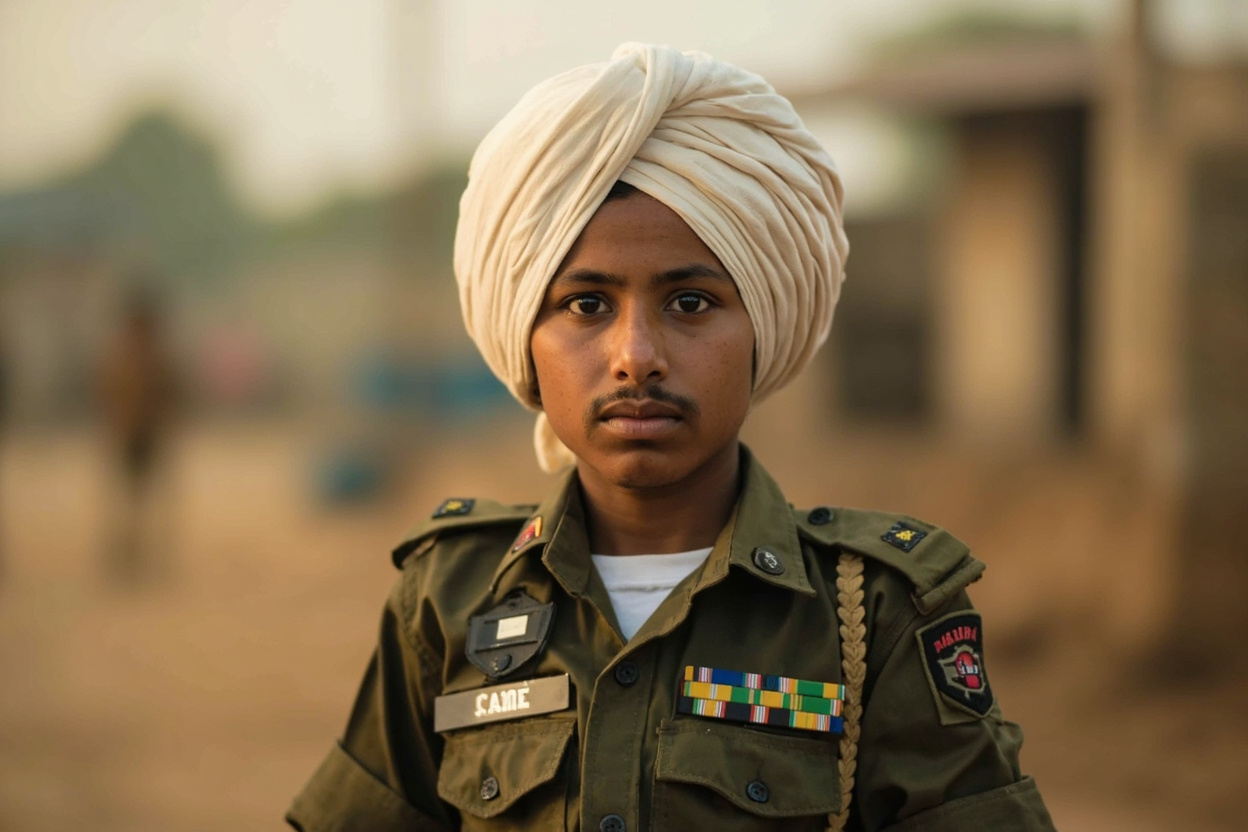
The JAT Regiment
Raised in 1803 by the British East India Company, the JAT Regiment became one of India's most distinguished infantry units. During the 1962 Sino-Indian War, JAT soldiers at Rezang La held their positions to the last man — 114 JAT soldiers made the ultimate sacrifice defending Indian territory.
In the 1971 Bangladesh Liberation War, JAT troops played key roles in freeing Bangladesh. Today, JAT soldiers serve with distinction in the Indian Army's infantry, armored corps, and elite special forces units.
"Yodha janam, Yodha marg" — Born a warrior, live a warrior's path.
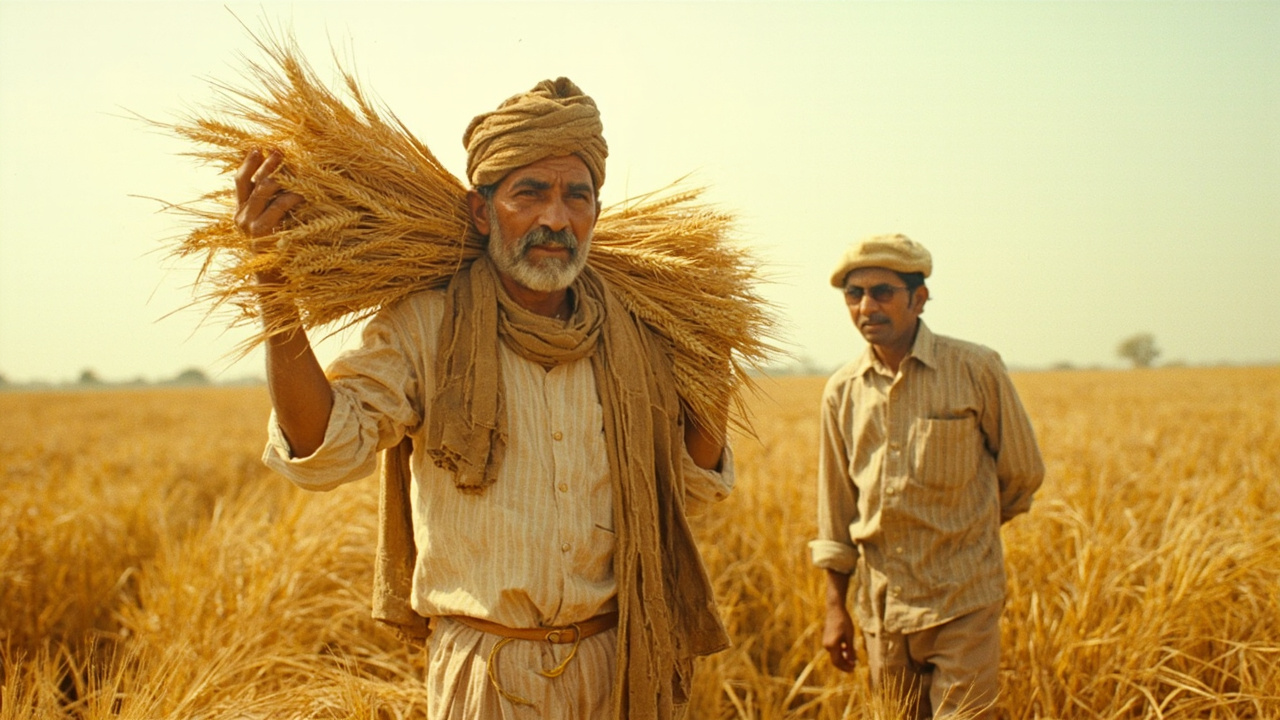
1803 — The Great Uprising
When the British attempted to disarm JAT villages, entire communities rose in armed resistance. The 1803 uprising forced the East India Company to negotiate peace terms — a rare early victory against colonial forces.
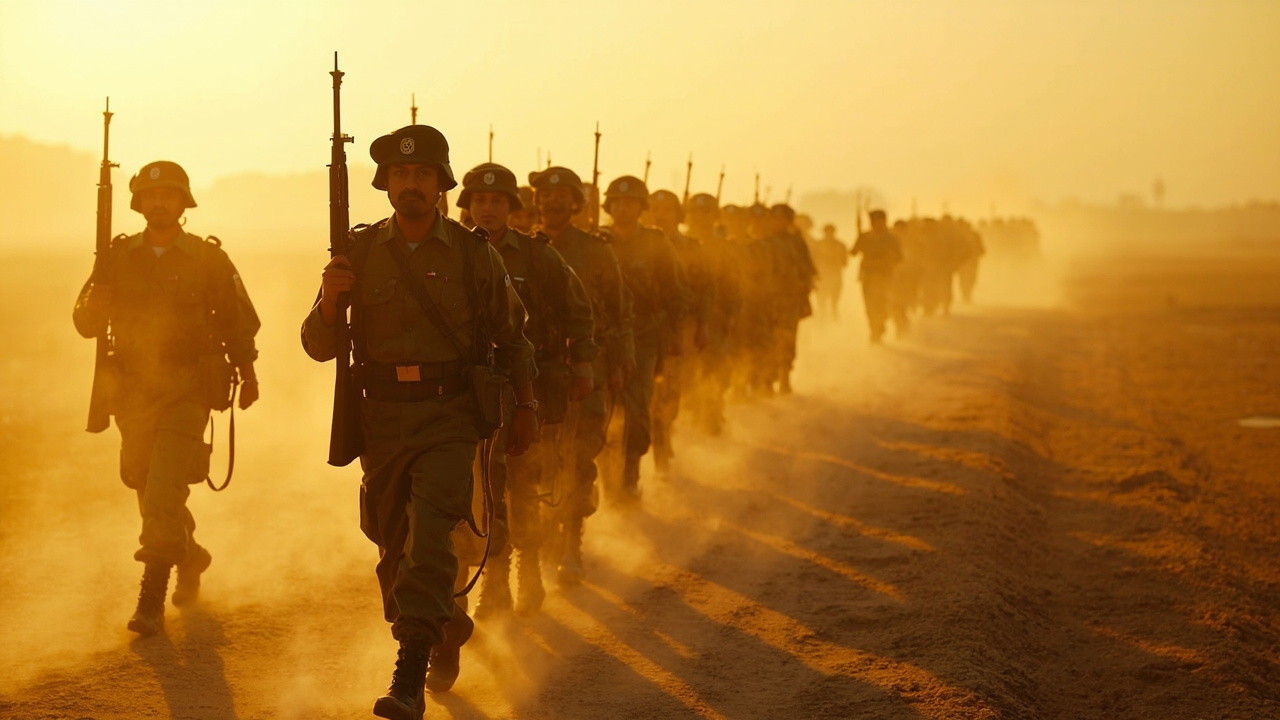
1857 — First War of Independence
JAT warriors from Haryana played significant roles in the 1857 uprising against British rule. The rebellion spread rapidly through JAT-majority districts, with whole villages joining the freedom struggle.
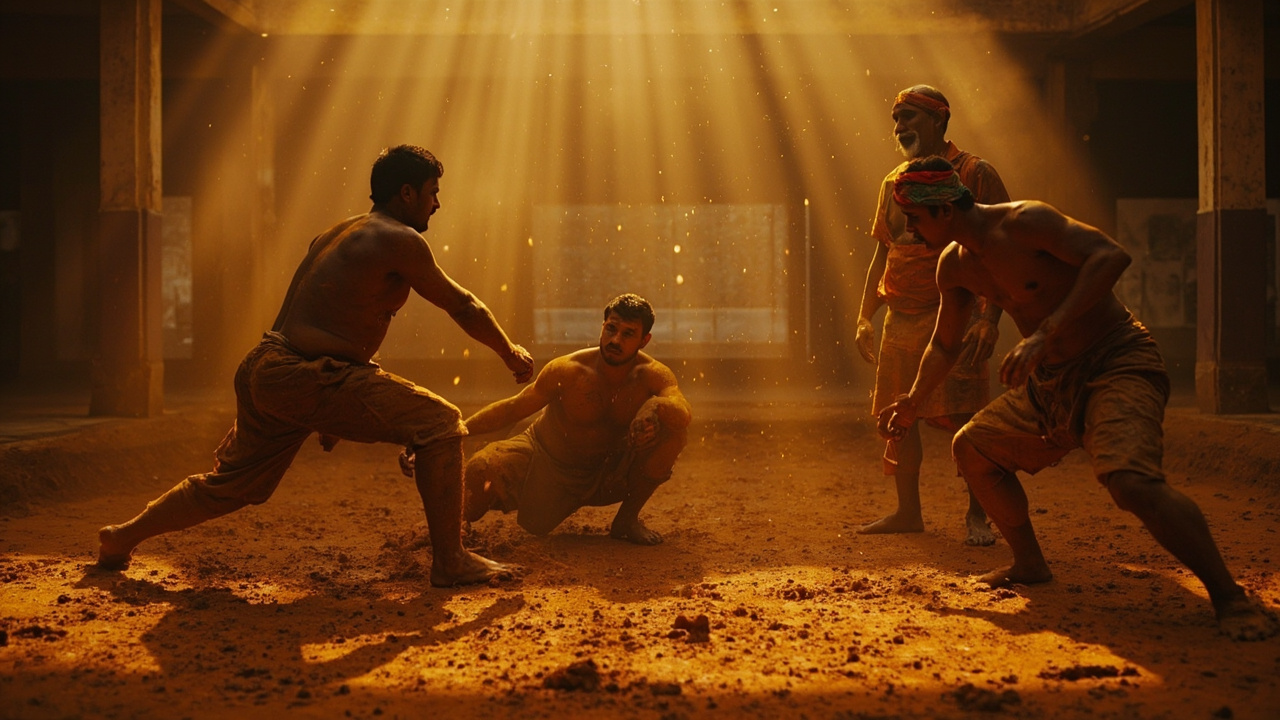
1962 — Rezang La
At 18,000 feet in the Himalayas, 114 soldiers of the 13th JAT Regiment made their final stand against Chinese forces. Every man died at his post. The battle remains one of India's greatest displays of battlefield valor.
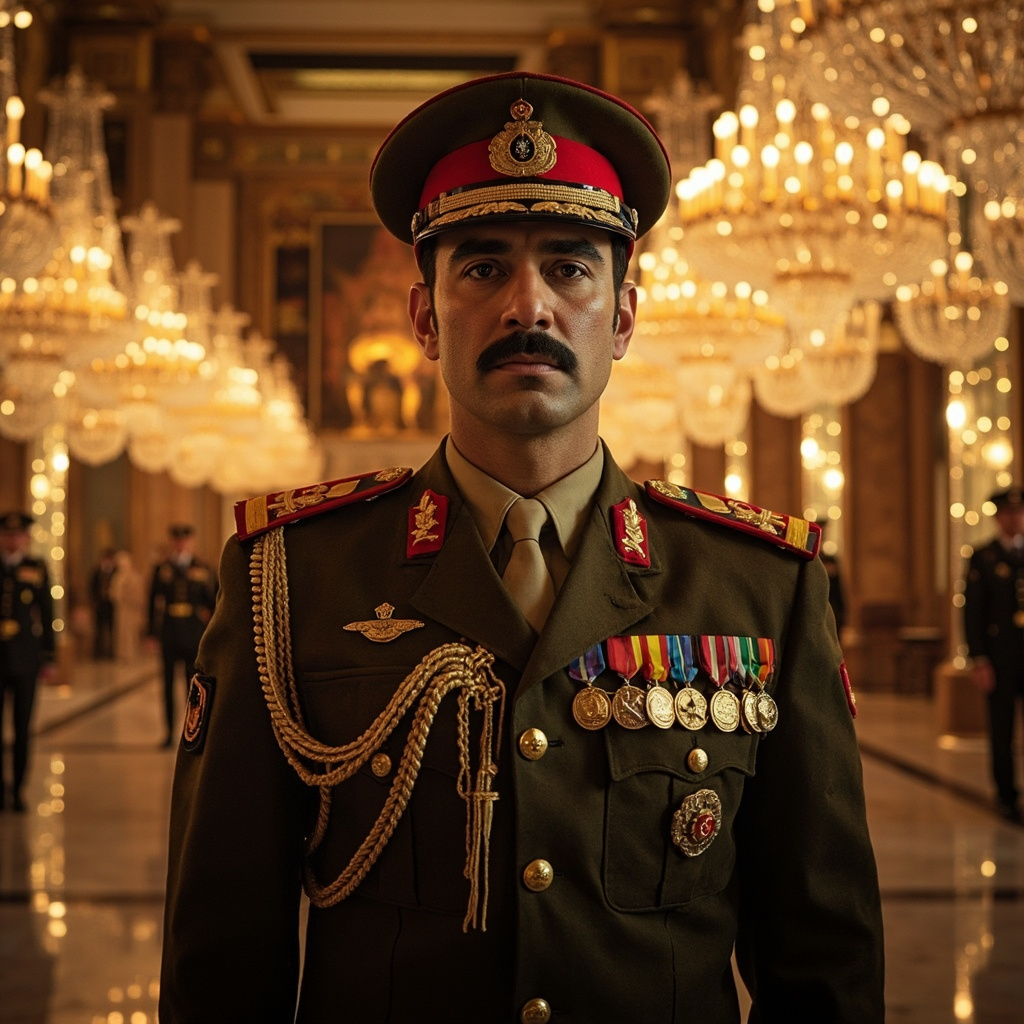
1971 & Beyond
From the Bangladesh Liberation War to Siachen Glacier operations, JAT soldiers continue to serve at the forefront. Param Vir Chakra, Maha Vir Chakra, and Vir Chakra recipients from the community number in the dozens.