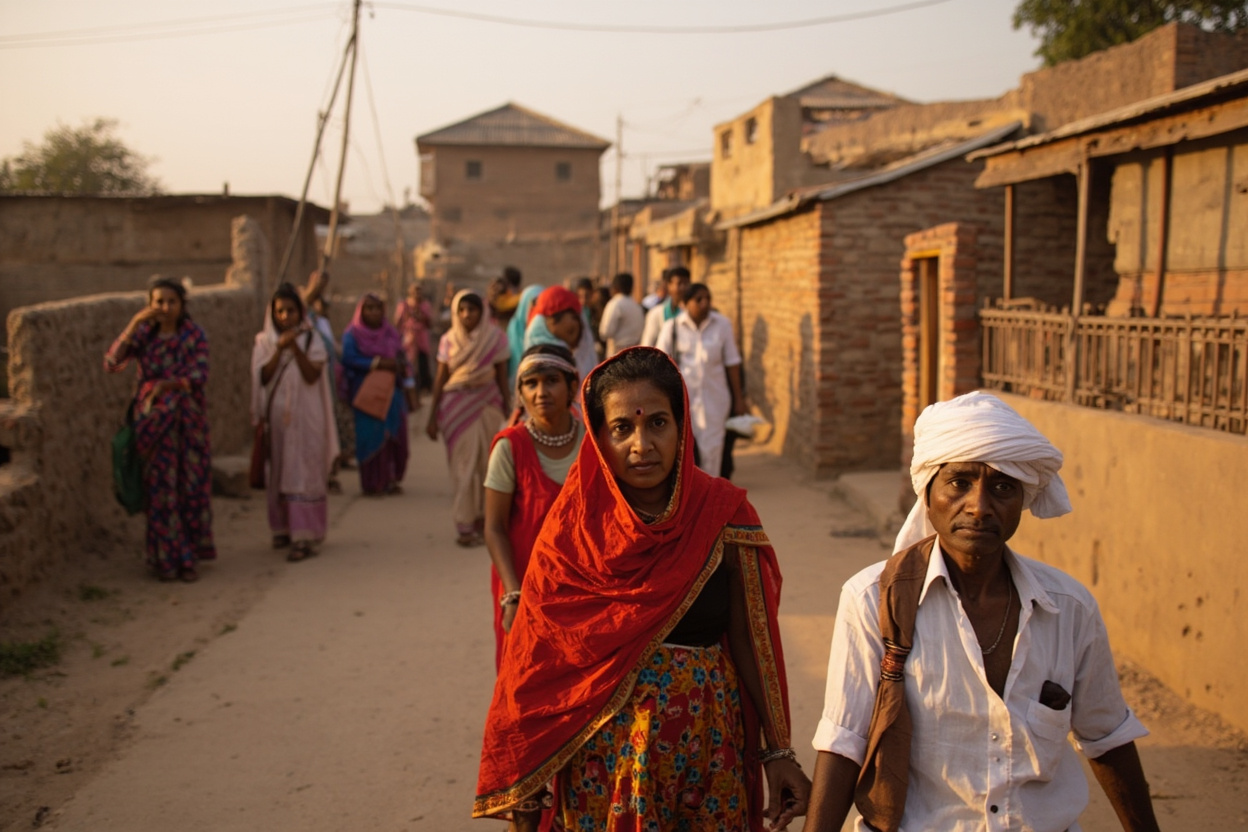
Roots in Haryana
The JAT people trace their origins to the ancient martial tribes who settled in the Haryana plains — the fertile region that has fed India for millennia. Known as skilled farmers and fierce warriors, the JATs established village communities that became the backbone of North Indian civilization.
Historical records from the Mughal era describe JATs as "hardy, martial, and agricultural" — a duality that defines the community to this day.

Kisaan — किसान
The farmer is the foundation. JAT farmers have worked the land of Haryana for centuries, developing agricultural expertise passed through generations. From wheat and rice to the revolutionary high-yield varieties of the Green Revolution — JAT Kisaans helped feed a nation.
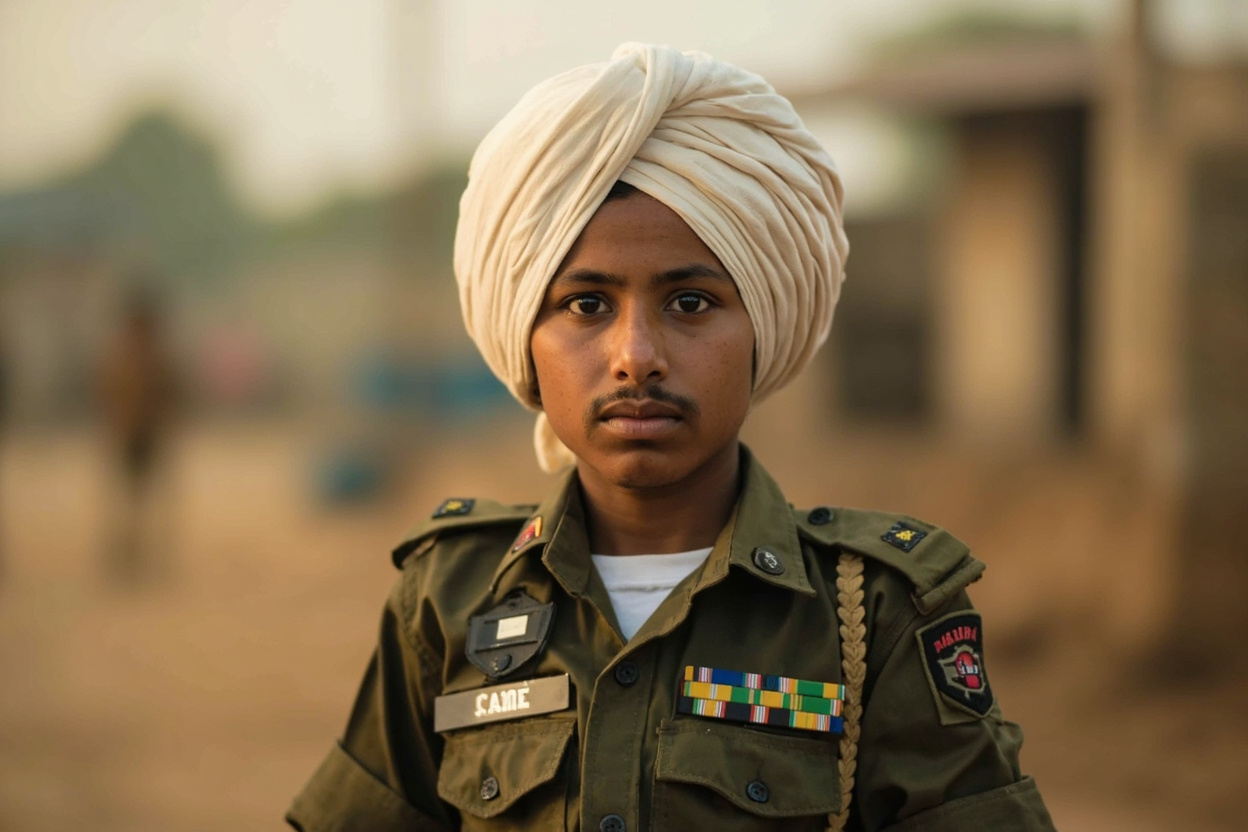
Yodha — योद्धा
The sword runs in our blood. From 12th-century resistance against invaders to serving in every major Indian military campaign, JAT Yodhas have a martial tradition unbroken for eight centuries. The JAT Regiment remains one of India's most decorated infantry units.

Pehlwan — पहलवान
Strength is a way of life. Kushti wrestling — practiced in akharas across Haryana — is more than sport. It is a spiritual discipline that builds the body, sharpens the mind, and preserves the seven virtues: discipline, courage, gratitude, humility, patience, self-control, and honor.

Gotra & Family
JAT society is organized around gotras (clans), with 18 principal gotras forming the community backbone. Marriage within the gotra is traditionally prohibited. The joint family system has been the cornerstone of JAT social structure, preserving land, tradition, and collective strength across generations.